What It Is
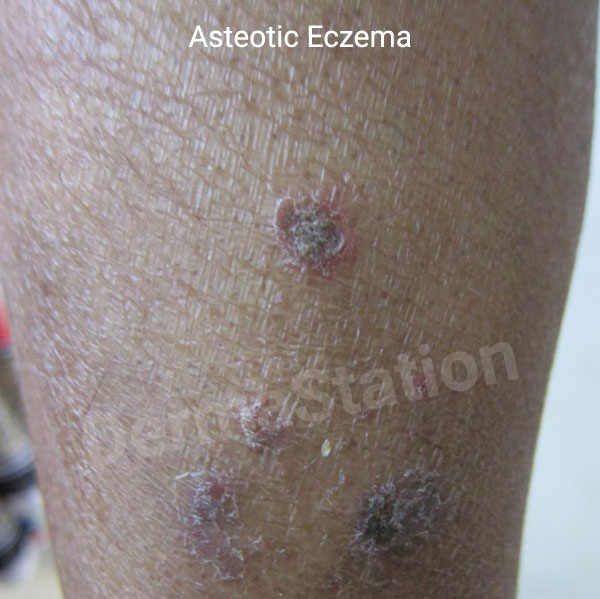
- Atopic dermatitis is a chronic, relapsing skin disease characterised by itch, dry skin, and eczematous patches that may worsen in episodes.
- It is not contagious, but it can run in families and commonly occurs in people with an “atopic” tendency, such as asthma or allergic rhinitis.
- The disease can look different at different ages, so the location and shape of the rash may vary in infants, children, teens, and adults.
Epidemiology
- Global research estimates the prevalence of atopic dermatitis at about 6%, affecting around 204 million people worldwide.
- The burden is substantial in both adults and children, with paediatric prevalence generally higher than adult prevalence in global estimates.
- The disease varies by geography, age, and sex, and large gaps in epidemiological data still exist in many countries.
- In children, recent global analysis showed 4 million cases in 2021, with major regional variation in prevalence.
Causes and Triggers
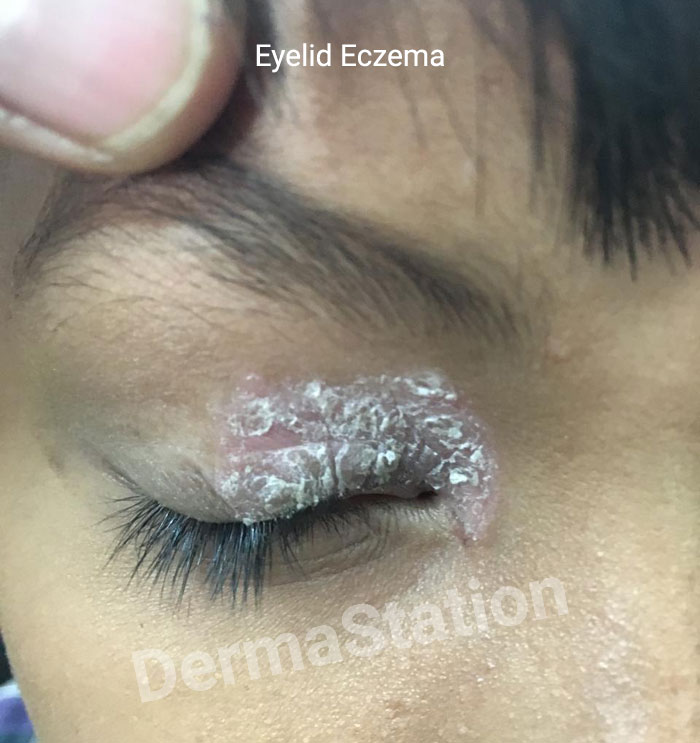
- Atopic dermatitis develops from a mix of intrinsic and extrinsic factors rather than a single cause.
- A weakened skin barrier allows moisture loss and makes the skin more vulnerable to irritants, allergens, and microbes.
- Immune dysregulation, especially a type 2 inflammatory pattern, drives redness, itching, and chronic inflammation.
- Environmental triggers may include harsh soaps, detergents, fragrances, preservatives, pollution, sweat, climate changes, and frequent washing.
Intrinsic Factors
- Genetic predisposition, including filaggrin-related barrier defects, can increase transepidermal water loss and dry skin.
- Family history of eczema, asthma, or allergic rhinitis raises the likelihood of disease.
- Immune tendency toward type 2 inflammation contributes to chronic itch and flares.
Extrinsic Factors
- Irritating skin care products, alkaline detergents, chemicals, fragrance, and preservatives can aggravate eczema.
- Environmental pollution and airborne irritants can worsen inflammation and itch.
- Sweating, overheating, emotional stress, and seasonal dryness are common real-world flare triggers seen in clinic practice.
- Pathophysiology
- The core of atopic dermatitis is a vicious cycle of barrier dysfunction, inflammation, and itch.
- When the skin barrier is impaired, the skin loses water, becomes dry, and allows easier entry of irritants and allergens.
- Filaggrin and other barrier abnormalities are associated with increased transepidermal water loss and disrupted skin protection.
- Immune signaling is dominated by type 2 cytokines such as IL-4 and IL-13, with additional contributions from other inflammatory pathways.
- Itch is not just a symptom; it also drives scratching, which further damages the skin and fuels the flare cycle.
Schedule An Appointment Today
Our dedicated team is here to assist you. Reach out anytime—we’re ready to help!
Book Appointment
Common Symptoms
- Persistent itching, often worse at night.
- Dry, rough, sensitive skin.
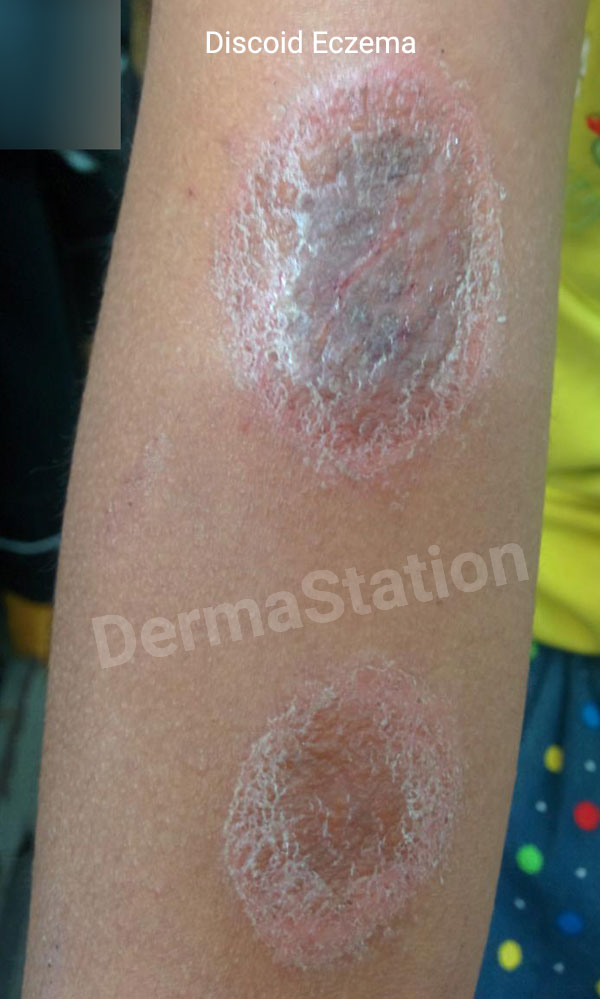
- Red or dark inflamed patches, depending on skin tone.
- Cracking, scaling, oozing, or crusting during flares.
- Thickened skin from repeated scratching in chronic disease.
- Sleep disturbance, irritability, and reduced concentration due to itch.
Treatment Options
- Treatment is usually individualised based on age, severity, body area involved, and response to therapy.
- The goals are to reduce itch, calm inflammation, repair the barrier, prevent infection, and reduce future flares.
- A practical plan often includes regular moisturization, trigger avoidance, topical anti-inflammatory therapy, and escalation to systemic treatment when needed.
Topical Treatment
- Moisturizers/emollients are the foundation of treatment because they restore barrier function and reduce dryness and itch; this remains standard of care across guidelines.
- Topical corticosteroids are effective for active flares and remain a mainstay of treatment.
- Tacrolimus and pimecrolimus are highly useful steroid-sparing options, especially for sensitive areas such as the face, eyelids, neck, and folds.
- Newer non-steroidal topical options such as crisabarole.
- Topical Jak inhibitors among the effective newer topical options in evidence reviews.
Oral and Systemic Treatment
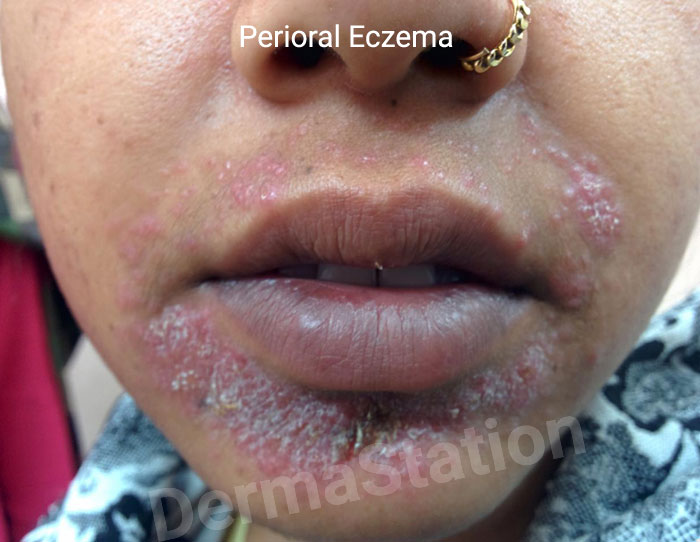
- For moderate-to-severe or refractory disease, systemic therapy may be needed.
- Oral cyclosporine remains an established option for selected patients needing faster control.
- Biologic therapies such as dupilumab, are helping many patients with difficult disease.
- Oral JAK inhibitors such as tofacitinib, baricitinib, upadacitinib, and abrocitinib are now important options for moderate-to-severe atopic dermatitis.
Role of JAK Inhibitors
- JAK inhibitors target intracellular inflammatory signaling and can reduce both inflammation and itch quickly.
- They are especially valuable in moderate-to-severe disease when topical treatment alone is not enough.
- They are promising effective alternatives, emphasis on careful patient selection and safety monitoring.
- Oral JAK inhibitors are positioned alongside biologics, phototherapy, and cyclosporine for refractory disease.
- In practice, they may be particularly helpful for patients whose biggest complaint is rapid, severe itch and widespread eczema.
Role of Diet
- Diet is often overestimated as a cause of eczema, and routine elimination diets are not recommended for every patient.
- Unnecessary food restriction can lead to nutritional problems, especially in children, and may distract from proven eczema care.
- Diet changes should be individualized and based on documented food allergy, clear symptom correlation, or specialist advice.
- Some patients may benefit from carefully selected supplementation or gut-health-focused dietary approaches, but the evidence remains mixed and not universal.
- For most patients, the priority should remain skin-barrier care, anti-inflammatory treatment, and trigger control rather than broad food avoidance.
Prognosis
- The overall prognosis is generally favourable, especially when treatment is started early and maintained consistently.
- Some patients improve with age, while others experience a relapsing course that needs long-term control strategies.
- Severe, widespread disease and associated allergic conditions such as asthma or allergic rhinitis are linked with poorer outcomes.
- Good prognosis depends on regular moisturiser use, early flare treatment, and a treatment plan tailored to the patient’s disease pattern.
Latest Advances
- Recent progress in atopic dermatitis treatment has focused on better control of inflammation with targeted therapies.
- Key newer options include dupilumab, tofacitinib, upadacitinib, abrocitinib.
- Evidence reviews show strong performance for tacrolimus, pimecrolimus, and moderate-potency topical corticosteroids, while topical JAK-related therapies are expanding the armamentarium.
- The field is moving toward personalized care based on severity, itch burden, age, comorbidities, and treatment goals.
When To See A Dermatologist
- See a dermatologist if itching is persistent, sleep is disturbed, flares keep returning, or over-the-counter creams are not helping.
- Medical review is also important if there are signs of infection, widespread eczema, facial involvement, or impact on daily life.
- Children with suspected food allergy, poor growth, or severe eczema should be assessed carefully before any dietary restriction is started.
- A dermatologist can create a safe, stepwise plan that is realistic for both the patient and family.