Why HS deserves early recognition
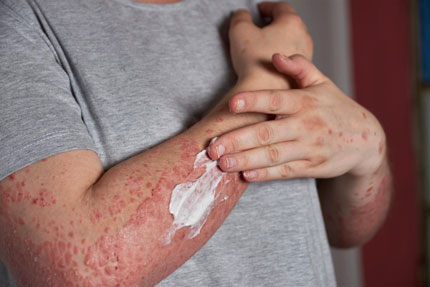
- HS is not caused by poor hygiene.
- It is usually chronic and relapsing rather than a one-time infection.
- Repeated inflammation can progress into tunnels, fibrosis, and permanent scarring if treatment is delayed.
- Pain, drainage, odor, sleep disruption, clothing limitation, emotional distress, and work impairment are important parts of disease burden and should be addressed directly.
Epidemiology
- HS occurs worldwide, but prevalence estimates vary widely because studies use different populations and diagnostic methods.
- The condition is likely underdiagnosed, especially in earlier stages where it may be mislabeled as folliculitis, boils, or infected cysts.
- HS usually begins after puberty and commonly affects younger adults.
- Women are affected more often than men in many cohorts, although regional patterns can vary.
- In clinical practice, the burden of disease is often greater than lesion counts alone suggest because quality-of-life impairment can be severe.
Causal factors
HS develops through the interaction of intrinsic susceptibility and extrinsic aggravating factors rather than through one single cause.
Intrinsic factors
- Genetic susceptibility and family tendency in a subset of patients.
- Follicular occlusion tendency and abnormal keratinization.
- Immune dysregulation involving inflammatory cytokine pathways.
- Hormonal influences in selected patients, especially when flares follow menstrual patterns.
- Obesity and metabolic syndrome, which may amplify inflammation and mechanical stress.
- Association with selected comorbid inflammatory conditions such as inflammatory bowel disease and spondyloarthritis.
Extrinsic factors
- Smoking, one of the strongest and most consistent aggravating associations in HS.
- Mechanical friction, occlusion, heat, and sweating in intertriginous areas.
- Tight clothing and repeated rubbing over susceptible sites.
- Delayed diagnosis and undertreatment, which allow recurring inflammation to cause structural damage.
- Diet-related inflammatory load in some patients, although diet is usually an adjunctive rather than sole driver.
Schedule An Appointment Today
Our dedicated team is here to assist you. Reach out anytime—we’re ready to help!
Book Appointment
Pathophysiology
Modern understanding places the hair follicle at the center of HS pathogenesis, not the sweat gland as was historically believed.
- The process begins with follicular occlusion and abnormal keratinization.
- The follicle becomes distended and may rupture, releasing keratin, bacteria, and debris into surrounding tissue.
- This rupture triggers a strong inflammatory response and amplifies cytokine signaling.
- Cytokines such as TNF-alpha, IL-17, and IL-1 contribute to persistent inflammation and tissue damage.
- Over time, chronic inflammation leads to sinus tracts, chronic drainage, fibrosis, and scarring.
- Once tunnel-and-scar disease becomes established, medicines alone are often less effective and procedures become increasingly important.
Clinical staging
The Hurley staging system remains a practical clinic tool.
- Hurley Stage I: isolated inflammatory nodules or abscesses without established tunnels or diffuse scarring.
- Hurley Stage II: recurrent lesions with limited sinus tracts and scarring.
- Hurley Stage III: diffuse or near-diffuse involvement with interconnected tunnels, extensive scarring, and major functional burden.
Role of diet and lifestyle
Diet is not a stand-alone cure, but it can support overall HS control when used realistically and alongside standard medical care.
Helpful dietary themes
- Encourage a fiber-rich eating pattern with foods such as lentils, beans, vegetables, fruits, and whole grains.
- Mediterranean-style eating may be associated with lower HS severity in some studies.
- Weight reduction can help selected patients, especially where obesity is a major amplifier of disease burden.
- Nutritional deficiencies such as low zinc, vitamin D, vitamin B12, or magnesium may deserve attention in selected patients.
Practical cautions
- Brewer’s yeast exclusion has shown benefit in small studies, but it is not a universal rule for all patients.
- Intermittent fasting has shown promising signals in small observational work, but it should not be oversold.
- Very restrictive diets can be difficult to maintain and may worsen quality of life or nutritional status.
- The best diet plan is usually the one a patient can sustain consistently.
Other integrative measures
- Smoking cessation should be discussed in every appropriate patient because smokers often have worse disease.
- Exercise may improve metabolic health, inflammation, and mental well-being, although pain and lesion location can make exercise difficult and plans may need tailoring.
- Psychosocial support, mindfulness, and support groups can be valuable because anxiety, depression, and isolation are common in HS.
Medical treatment options
Treatment should be individualized according to disease severity, lesion type, pain, comorbidities, and quality-of-life burden.
Foundational treatment
- Antiseptic washes and sensible skin care.
- Friction reduction and clothing advice.
- Wound care, odor control, and pain management.
- Screening and management of obesity, smoking, and psychosocial burden.
Topical and local therapy
- Topical clindamycin can help selected mild inflammatory disease.
- Intralesional corticosteroids may calm painful inflamed nodules.
- Resorcinol may be used in selected practice settings for specific lesions.
Systemic therapy
- Tetracyclines are often used in milder inflammatory HS or as early systemic therapy.
- Clindamycin plus rifampicin is a common combination for more significant inflammatory disease.
- Other antibiotic combinations and IV ertapenem may be considered in severe or rescue settings.
- Antibiotics in HS are often used for anti-inflammatory effect and bridging rather than as a permanent cure.
Hormonal and metabolic treatment
- Spironolactone may help selected female patients, especially when disease shows a hormonal pattern.
- Weight-management support and metabolic optimization can improve overall treatment response.
Procedural treatment options
Procedures are often crucial once chronic tunnels and scarred areas have formed.
- Nd:YAG 1064 nm laser: useful for follicular targeting and inflammatory disease control in selected patients.
- Deroofing: highly valuable for persistent tunnels and localized chronic lesions.
- Excision: important for extensive, scarred, or structurally destructive disease.
- Staged surgery: useful in advanced disease requiring planned reconstruction or prolonged wound care.
Practical procedural point
- Simple incision and drainage may temporarily relieve a tense abscess, but it is usually not the best long-term answer for chronic HS.
- Tunnel-directed procedures and disease-directed medical therapy provide more durable control.
Role of biologics in treatment
Biologics have changed HS management by targeting the inflammatory pathways that sustain disease activity.
Why biologics matter
- They can reduce inflammatory lesion burden, pain, and flare frequency.
- They support a disease-modifying strategy rather than repeated short-term rescue treatment.
- They may be especially valuable when introduced before extensive irreversible scarring develops.
- They can be combined with surgery to improve overall disease control.
Current practical biologic landscape
- Adalimumab remains a major benchmark biologic in HS care.
- Secukinumab has expanded the treatment landscape by providing an IL-17 targeted option.
- In selected difficult cases, specialists may consider other advanced immunologic strategies depending on disease phenotype and prior response.
Schedule An Appointment Today
Our dedicated team is here to assist you. Reach out anytime—we’re ready to help!
Book Appointment
What patients should be told
- Biologics are not instant cures.
- Clinical response usually requires time, monitoring, and regular follow-up.
- Some patients need dose adjustment, switching, or combination therapy.
- Body weight, tunnel burden, pain phenotype, and comorbid inflammatory disease may influence biologic planning.
Prognosis
HS is usually chronic and relapsing, but prognosis varies widely from patient to patient.
Better outcomes are more likely when
- The disease is diagnosed early.
- Smoking is stopped or reduced.
- Weight and metabolic risk factors are addressed.
- Biologics or other advanced therapies are used when clinically indicated before major scarring develops.
- Chronic tunnels are treated procedurally rather than ignored for years.
Poorer outcomes are more likely when
- Diagnosis is delayed for a long time.
- Smoking and obesity continue unchecked.
- Extensive interconnected tunnels and scarring are already present.
- Pain, depression, anxiety, and wound-care burden are undertreated.
Latest advancements
The biggest recent shift in HS care is the move from a boil-focused view to a disease-modifying, multimodal treatment model.
- Earlier recognition of the therapeutic “window of opportunity” for advanced treatment.
- Expansion of targeted therapy, especially IL-17 pathway inhibition.
- Continued interest in IL-1 and JAK-pathway targeted strategies.
- Better integration of surgery and biologics rather than treating them as separate treatment tracks.
- Greater recognition of pain, mental health burden, and wound care as core outcomes in HS management.
Clinic-friendly patient counselling points
- HS is treatable, even if it is often long-term.
- It is not the patient’s fault.
- Earlier treatment usually means less future scarring.
- Lifestyle support helps, but severe disease should not be blamed solely on lifestyle.
- The best HS plan often combines medical treatment, selective procedures, and realistic long-term follow-up.
Closing note
For a skin clinic website, HS content should reassure patients while still being medically honest: treatment can be demanding, but modern care is far more effective when diagnosis is timely and management is structured.