What tinea means
- Tinea, also called ringworm, is a superficial fungal infection of the skin, hair or nails caused by dermatophytes that feed on keratin.
- Common organisms belong mainly to the Trichophyton, Microsporum and Epidermophyton groups, and the exact name often depends on the body site involved, such as tinea corporis, cruris, pedis, capitis or unguium.
- It is usually not dangerous, but it can be itchy, uncomfortable, recurrent and frustrating, and it may affect sleep, work, sports, confidence and family members when it keeps spreading.
Who gets it
- Tinea is very common worldwide, affecting an estimated 20% to 25% of the global population.
- It is seen more often in tropical and subtropical climates, including India, where heat and humidity favor fungal survival and transmission.
- Recently there has been a rise in chronic, recurrent and harder-to-treat dermatophytosis.
- Family spread is common, especially when towels, clothing, footwear, bedding or grooming items are shared.
Causal factors
Intrinsic factors inside the patient
- Excess sweating, obesity, skin fold friction and naturally moist body areas such as the groin, underarms and toe webs make infection more likely.
- Diabetes, chronic illness and immunocompromised states that weaken host defenses can increase the chance of extensive, recurrent or recalcitrant disease.
- Some patients may have a tendency to persistent infection because of weaker immunity, altered inflammatory responses or, in nail disease, possible genetic predisposition.
- Poor adherence to treatment is another common reason that infection appears to improve and then returns.
Extrinsic factors from the environment
- Hot weather, high humidity, overcrowding, urban living, tight clothing and occlusive footwear all support fungal growth and persistence.
- Repeated exposure from infected family members, pets, contaminated floors, shared linens, shoes, socks or sports gear can keep reinfecting the skin.
- Misuse of steroid-containing creams can mask the rash, reduce inflammation temporarily and convert ordinary tinea into tinea incognito, which is harder to recognize and treat.
- Over-the-counter and incomplete antifungal use may also promote treatment failure and resistance.
What happens in the skin
- After the fungus lands on the skin, it can adhere to the epidermis quickly and then penetrate keratin using enzymes
- Tinea lasts longer when the fungus survives well in warm keratin and the skin’s local defense does not clear it fully.
Schedule An Appointment Today
Our dedicated team is here to assist you. Reach out anytime—we’re ready to help!
Book Appointment
Symptoms patients notice
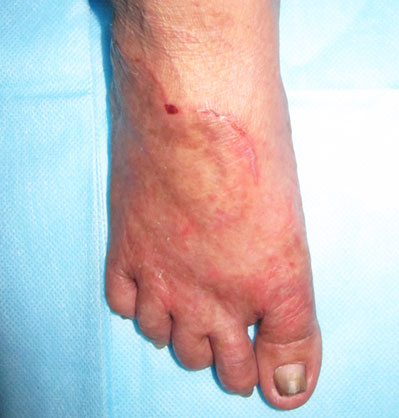
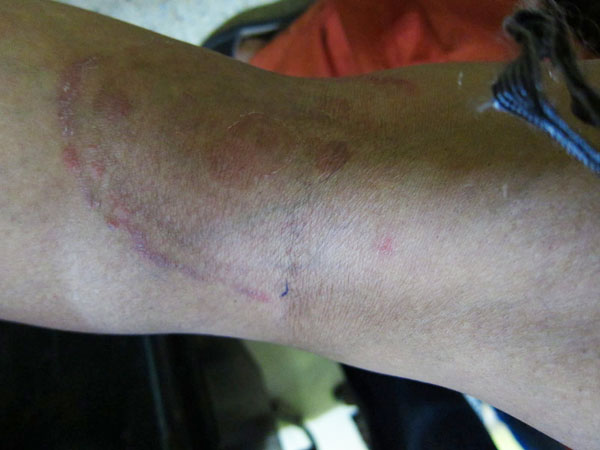
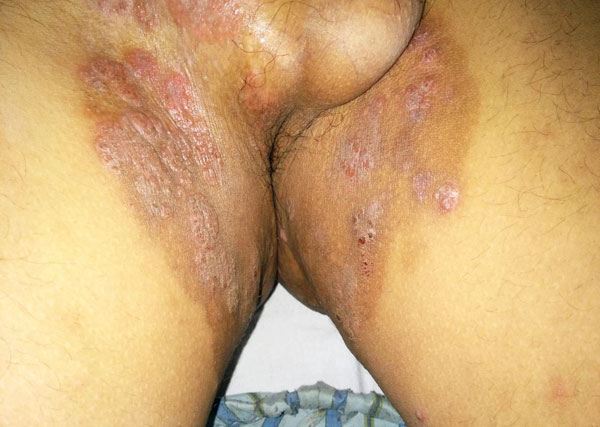
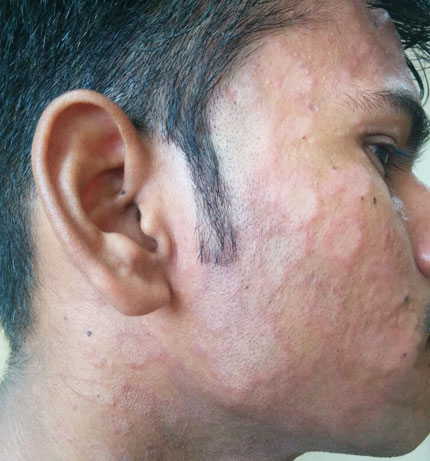
- A ring-shaped or expanding scaly rash with itching is common on the body, but tinea can also affect the groin, feet, scalp, beard area or nails.
- Some rashes are red and active at the edge, while others become diffuse, steroid-modified or unusually extensive, especially after mixed steroid combination creams are used.
- Foot infection may cause scaling, fissuring or soggy toe webs, and scalp infection may lead to hair loss, broken hairs or inflamed painful swellings such as kerion.
How diagnosis is confirmed
- Many cases are diagnosed clinically, but simple in-clinic potassium hydroxide, or KOH, examination of skin scrapings remains a fast and practical way to confirm fungal elements.
- Fungal culture is useful in extensive, recurrent or refractory disease,
- Treatment options
Medical treatment
- Localized skin tinea is usually treated first with topical antifungals, especially azoles or allylamines, applied regularly for the recommended duration rather than stopped as soon as itching settles.
- Common topical options include clotrimazole, luliconazole, miconazole, ciclopirox, terbinafine, naftifine and butenafine.
- More extensive disease, recurrent disease, hair-bearing involvement, nail disease, papulopustular lesions or failure of topical therapy usually needs oral treatment.
- Common oral options include terbinafine, itraconazole, fluconazole and griseofulvin, chosen according to site, likely organism, age, comorbidities, pregnancy status, drug interactions and local resistance concerns.
- Tinea capitis generally needs systemic therapy because topical treatment alone does not reach the infected hair shaft adequately.
- Inflammatory scalp disease such as kerion may also need short-course anti-inflammatory treatment in addition to oral antifungals to reduce the risk of scarring alopecia.
Procedural and adjunctive care
- Nail avulsion with urea followed by antifungal therapy can be used in selected onychomycosis cases.
- Good adjunctive care matters: treat close contacts when indicated, stop steroid-mix creams, wash clothing and undergarments properly, keep folds dry and reduce repeated exposure from shoes, socks and bedding.
Resistant tinea
- Antifungal resistance in dermatophytes is now an important real-world issue, with terbinafine-resistant infection increasingly reported, particularly in relation to Trichophyton indotineae.
- Resistance has been linked to mutations in the fungal squalene epoxidase gene, which reduces terbinafine effectiveness.
- Reports from outside South Asia are often associated with travel, but local transmission is also being documented.
- Resistance is not the only reason for failure; reinfection, poor compliance, steroid misuse, inadequate dose, inadequate duration and untreated contacts are also common causes.
How resistant cases are managed
- When a patient is not improving as expected, the first step is to re-check the diagnosis, confirm fungal infection, review previous medicines and look for steroid-mixed cream use or repeated household spread.
- In difficult cases, fungal culture and molecular testing become more important because species identification and resistance detection can change management.
- indotineae is often poorly responsive to terbinafine, while itraconazole given for a longer duration or at higher doses may work better in selected cases under medical supervision.
- Combination oral and topical therapy, along with strict antifungal stewardship and correction of predisposing factors, is a practical strategy for recalcitrant disease.
Prognosis
- Most uncomplicated tinea improves well with correct diagnosis, the right drug, enough treatment time and careful prevention of reinfection.
- Prognosis becomes less favorable when the infection is widespread, steroid-modified, nail-based, scalp-based, recurrent, poorly adherent or drug-resistant.
- Early treatment usually shortens illness, lowers spread to family members and reduces the chance of chronic disease.
Diet and lifestyle
- Diabetes control, weight management, good nutrition and reduction of excess sweating and friction can make recurrence less likely by improving the skin environment and host resilience.
- Patients should focus on practical habits: breathable clothing, dry body folds, separate towels, regular sock changes, avoiding tight footwear and avoiding self-medication with steroid combination creams.
Latest advances
- Molecular diagnostics, including PCR-based methods, are becoming more useful for faster species identification and for detecting drug resistance in difficult cases.
- Trichophyton indotineae is a newer and clinically important resistant dermatophyte that has changed the approach to chronic dermatophytosis in many settings.
Practical prevention tips for patients
- Finish the full course exactly as prescribed, even when itching settles early.
- Do not use fairness creams, steroid-antifungal mixtures or “quick relief” combination creams without dermatology advice.
- Keep skin folds dry, change sweaty clothes promptly and prefer loose cotton garments.
- Avoid sharing towels, clothing, socks, shoes, caps, combs and bedding.
- Seek review early if the rash is spreading, recurring, involving the scalp or nails, or not improving after proper treatment.
For the clinic website
- Tinea is common, treatable and usually very manageable when the diagnosis is correct and treatment is taken properly.
- The most helpful message for patients is simple: avoid steroid-mix creams, complete treatment, reduce moisture and friction, and check family or contact spread when the infection keeps returning.